
 Carter Black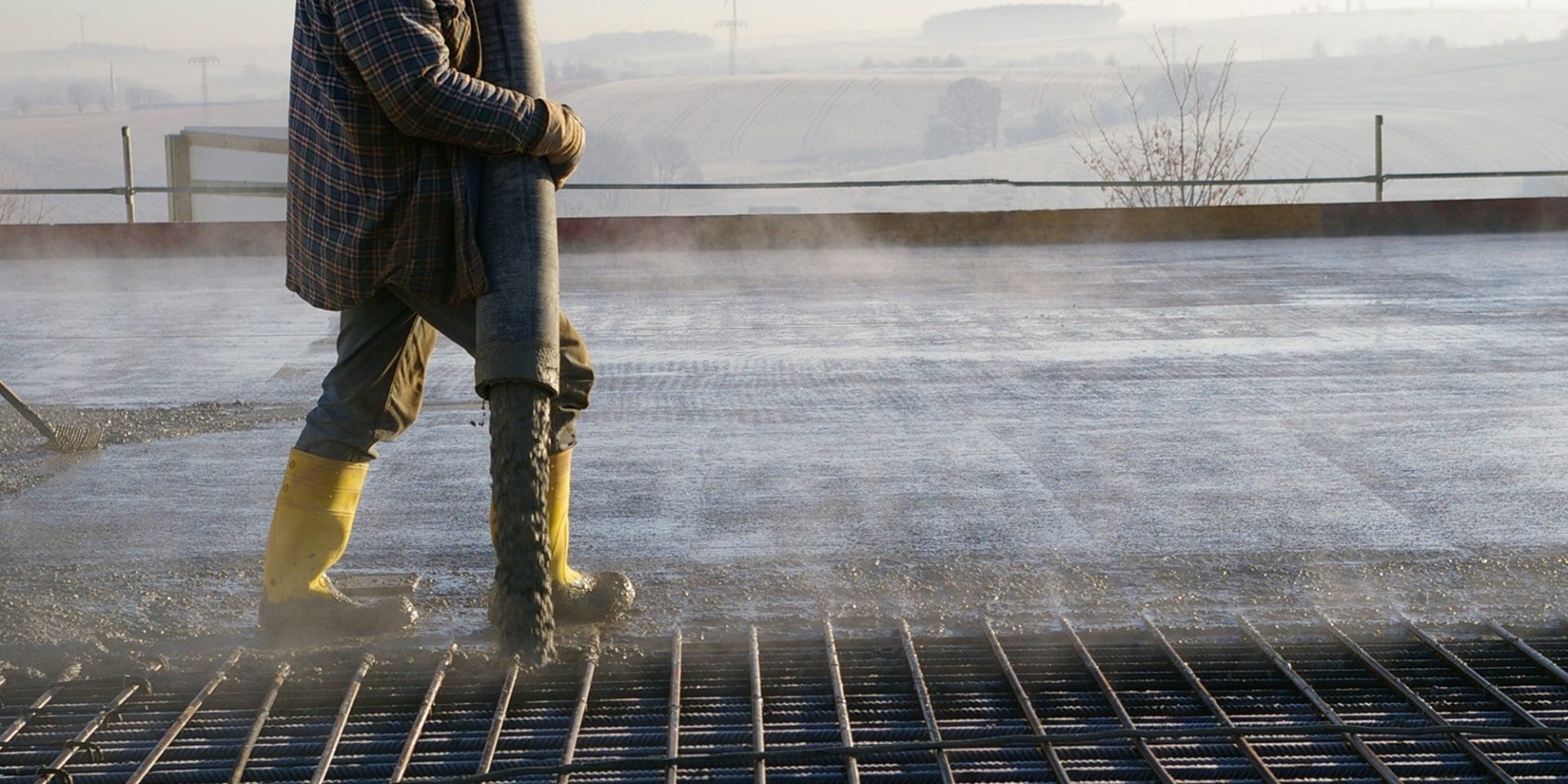
Freezing temperatures cause stresses in concrete and wood that often go unnoticed until apparent damage occurs. Concrete becomes rigid as temperatures drop, which slows its curing and reduces early strength. Wood, meanwhile, shrinks as trapped moisture freezes, causing warping, splitting, and stress on joints and fasteners. Over time, these winter effects compromise structural integrity and create hidden problems that surface when the weather warms.
Concrete is particularly vulnerable to freeze–thaw cycles. Water absorbed into its pores expands when frozen, forming micro-cracks that gradually widen and merge over time. Surface scaling, flaking, and internal weakening follow if moisture continues to penetrate. Exposure to de-icing salts worsens these issues, corroding embedded reinforcement and accelerating deterioration. Driveways, sidewalks, and patios often reveal the first signs of damage through uneven surfaces or cracks, signaling deeper structural shifts that require attention during property condition assessments NJ.
Wood undergoes structural changes under cold conditions. Moisture that freezes inside boards causes fibers to fracture, especially in areas with knots or pre-existing cracks. Repeated freeze–thaw cycles accelerate decay and may lead to mold growth, which not only deteriorates wood but also affects indoor air quality. Decks, siding, and trim often show early signs of stress, and delays in addressing these issues can lead to costly replacements or compromise structural stability.
Snow accumulation adds weight that stresses roofs, walls, and framing. Cold weather reduces flexibility in both concrete and wood, making surfaces less able to absorb loads. Water from melting snow can penetrate into existing cracks and refreeze, repeating a cycle of expansion and contraction that increases structural damage.
Professional evaluation becomes essential under these conditions. A structural engineer NJ can detect concealed weaknesses, evaluate the extent of freeze–thaw damage, and recommend targeted repairs to stabilize affected areas. Timely intervention limits deterioration, maintains the integrity of concrete and wood components, and prevents minor winter damage from escalating into severe damage and costly repairs. Regular inspection and proactive maintenance remain the most effective ways to preserve structures during harsh winter months.
To learn more about protecting structures from cold-weather damage, check this infographic from Lockatong Engineering.



